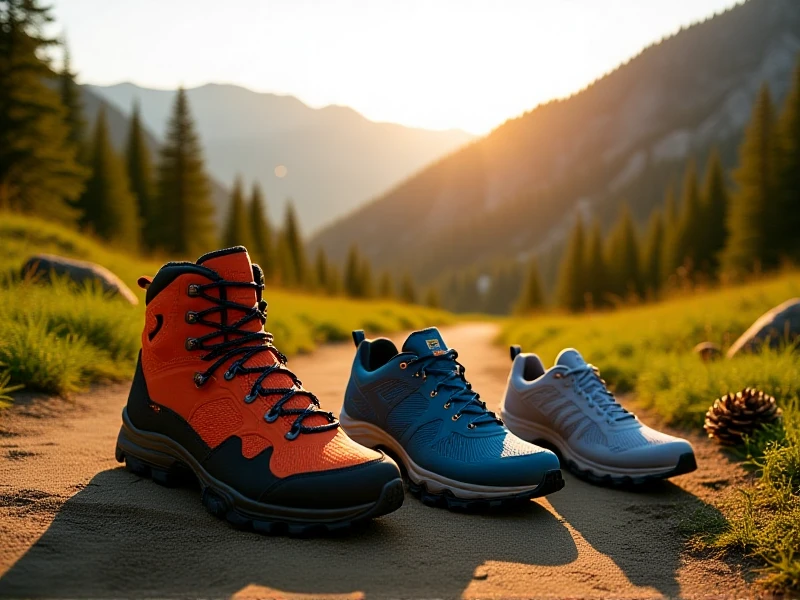
Discover Your Perfect Hitting Shoes: Traction, Comfort & Durability for Every Trail
Imagine cresting a ridge to breathtaking views, your feet comfortably supported mile after mile. The right hiking shoes make this dream a reality, transforming challenging trails into joyful adventures. More than just footwear, they are essential gear protecting your feet and enhancing your stability on unpredictable terrain. Choosing incorrectly can lead to blisters, rolled ankles, or sheer discomfort, cutting your journey short.
Why Dedicated Hiking Footwear Matters
Unlike regular sneakers, quality hiking shoes are meticulously engineered for the outdoors. Key differences are their rugged soles and supportive construction. Aggressive lugs bite into loose dirt, mud, and rock, providing the trail grip technology essential for preventing slips. Supportive midsoles cushion impacts on downhill sections, reducing fatigue, while sturdy uppers protect your feet from roots and stones.
Finding Your Ideal Fit: Key Considerations
- Terrain & Distance: Assess where you hike most. Smooth, well-maintained paths call for lightweight hiking footwear or flexible trail runners. Ruggerous, rocky trails demand the ankle support and durability of full-height waterproof hiking boots.
- Foot Type & Fit: This is paramount. Prioritize trying on shoes later in the day when feet swell slightly. Wear your intended hiking socks for rocky peaks need burlier ankle support and maximum grip found in waterproof hiking boots. Smooth trails are perfect for agile, lightweight hiking footwear.
- Fit is Paramount: Never compromise. Your heel should be locked down, toes able to wiggle freely without sliding forward on descents. Visit a specialist store for fitting, trying shoes on with the socks you intend to hike in, preferably later in the day when feet swell slightly.
- Materials Matter: Breathable mesh excels in warm, dry conditions, enhancing overall comfort. Full-grain leather offers superior durability and weather protection for rough trails or backpacking. Modern synthetic blends balance weight, breathability, and protection. For wet climates, consider waterproof hiking boots with membranes like Gore-Tex; remember they may be less breathable in heat.
- Break Them In: Never embark on a major hike with brand-new shoes. Wear them for shorter walks to mold them to your feet and soften materials, preventing painful blisters that can ruin your adventure.
Beyond the Shoes: Socks and Care
Partner your shoes with quality moisture-wicking hiking socks. Wool or synthetic blends prevent blisters better than cotton. Post-hike care extends their life: remove insoles, clean off dirt, and air dry (never near direct heat). Reapply water-repellent treatments as the manufacturer recommends to maintain waterproof hiking boots.
Step Confidently Into Adventure
Investing time in finding the perfect hiking shoes tailored to your adventures pays off immensely. Prioritize fit, support, and tread suited to your terrain. Whether you're conquering challenging peaks or enjoying serene forest paths, the right footwear ensures every step is stable, comfortable, and focused on the beauty around you. Find your perfect pair today and unlock the full potential of the trails. Your feet (and your adventures) will thank you.