Choose Your Perfect Running Shoes: A Complete Guide
Here is a 400-word SEO article focused on the keyword "Running Shoes":
Finding the right pair of running shoes is crucial for comfort, performance, and preventing injury. With countless options available, it can feel overwhelming. This guide will simplify your search and help you find the perfect running shoes for your feet and goals.
Understanding Your Needs
The first step in selecting running shoes is analyzing your running style and foot type. Consider:
- Foot Strike: Do you land on your heel, midfoot, or forefoot? Observing wear patterns on old running shoes can provide clues. Many running stores offer gait analysis to determine this precisely.
- Foot Shape & Arch Type: Do you have flat feet (pronation), high arches (supination), or neutral arches? This directly impacts the level of support and stability you need from your running shoes.
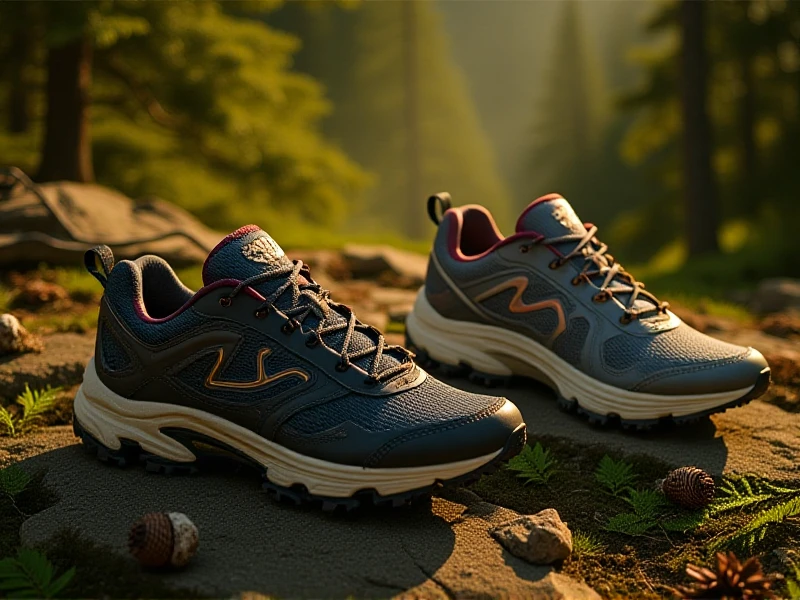
- Running Terrain: Where do you run primarily? Road running shoes differ significantly from trail running shoes. Road shoes prioritize cushioning for hard surfaces, while trail shoes emphasize grip, stability, and protection from rocks and roots.
Key Types of Running Shoes
Based on your analysis from above, you'll generally fall into one of these categories:
- Neutral Running Shoes: Designed for runners with neutral pronation (efficient inward roll) and sufficient natural arch support. They focus primarily on cushioning.
- Stability Running Shoes: Offer moderate medial (inner side) support to help control mild to moderate overpronation (excessive inward roll), providing a good balance of cushioning and guidance.
- Motion Control Running Shoes: Provide the strongest level of support, primarily for severe overpronators. They are typically more rigid and heavier, focusing on maximum correction.
- Cushioned Running Shoes: Prioritize maximum softness underfoot, often beneficial for runners with high arches (supinators) or those seeking plush comfort, even if they are neutral runners.
Essential Features to Consider
Beyond type, pay attention to these features when choosing running shoes:
- Fit: Always try shoes later in the day when feet are slightly swollen. There should be about a thumb's width of space between your longest toe and the shoe's end. Ensure a snug (not tight) heel fit and ample room across the widest part of your foot.
- Cushioning: Levels vary from minimal to maximum. Consider your preference and the distances you run. Adequate cushioning absorbs impact and reduces fatigue.
- Breathability: Look for mesh uppers to keep your feet cool and comfortable, especially on longer runs.
- Weight: Lighter running shoes often feel faster and more responsive, beneficial for tempo runs or races, while slightly heavier shoes often offer more stability and cushioning for daily training.
Caring for Your Running Shoes
- Track Mileage: Most running shoes lose their cushioning and support after 300-500 miles. Keeping a log is essential. If you start feeling aches or notice significant wear on the sole, it's time for a replacement.
- Rotate: Consider having two pairs and rotating them to extend the lifespan and allow each pair to rest.
Investing in the right running shoes tailored to your individual needs is a foundational step for an enjoyable, injury-free running journey. Take the time to get assessed and try different models to discover the perfect fit for your stride.