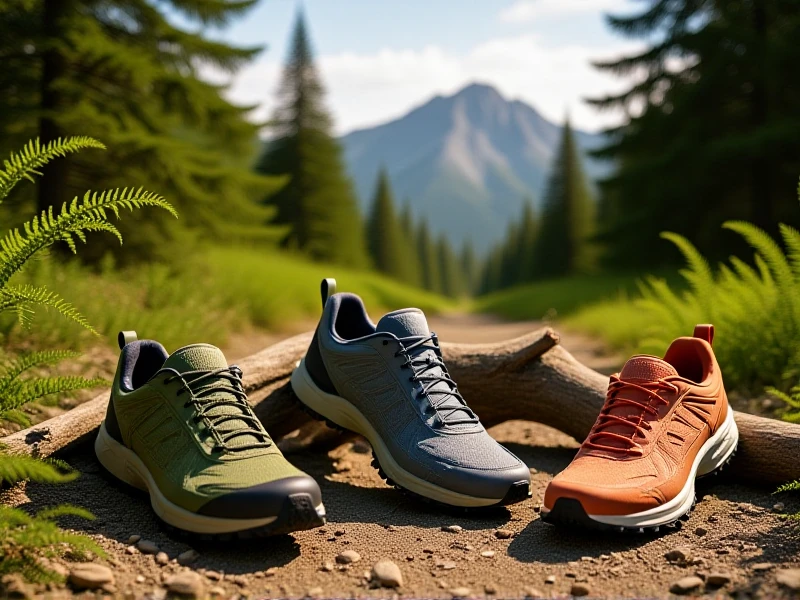
Why Every Hiker Needs the Perfect Pair of Hiking Shoes
Have you ever cut a hike short because your feet were aching, blistered, or soaked? Or slipped on a wet rock, your heart pounding? The right hiking shoes are far more than just footwear; they are fundamental to your safety, comfort, and enjoyment on the trail. Choosing the best hiking shoes can transform a grueling slog into a rewarding adventure.
Forget fashion-first sneakers. True hiking shoes are engineered for the demands of uneven terrain. Stability is paramount. Look for models offering excellent ankle support, especially if you carry a backpack or traverse rocky paths. A stable platform prevents rolls and sprains, protecting your joints mile after mile. Adequate cushioning absorbs impact, reducing fatigue on long descents, while sturdy midsoles provide torsional rigidity so you don't twist awkwardly on roots and rocks.
Traction reigns supreme. The outsole is arguably the most critical part of a hiking shoe. Aggressive, multi-directional lugs made from durable, sticky rubber (like Vibram®) grip loose dirt, wet rocks, muddy slopes, and gravel effectively. Deep channels (lugs) channel water and debris away, maintaining your contact with the ground. Never underestimate the value of sure footing, particularly on unfamiliar or challenging trails.
Hiking shoes must also endure harsh conditions. The uppers are typically built from tough, abrasion-resistant materials like full-grain leather, nubuck, or synthetic fabrics (often with protective rubber toe caps and rands). Equally important is water management. Full waterproof liners (like GORE-TEX®) are essential if you frequently encounter streams, mud, or rain. Remember, waterproofness usually sacrifices some breathability. For hot, dry climates, lightweight, highly breathable mesh uppers keep feet significantly cooler and drier from sweat.
Fit is king. Ill-fitting hiking shoes spell disaster. Ensure ample toe room (wiggle space!), a snug but not tight heel fit, and no significant pressure points across the width of your foot. Always try them on late afternoon with the socks you’ll hike in. Your feet naturally swell throughout the day and on the trail. Break them in on short walks before tackling long distances.
Investing time in finding quality hiking shoes tailored to your needs and terrain pays incredible dividends. They enhance performance, prevent injuries, and let you focus on the beauty surrounding you, not the pain within your boots. Upgrade your gear, upgrade your experience – your feet deserve it!