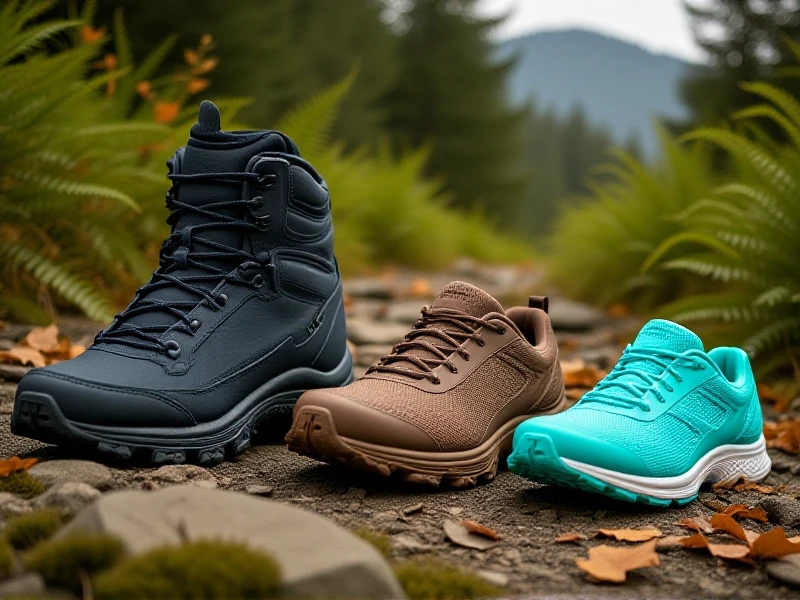
The Ultimate Guide to Choosing the Best Running Shoes for Every Runner
Every morning, when I laced up my running shoes for a quick 5K, I used to think any comfy pair would do. But after years of running marathons and trail jogs, I've learned the hard way—choosing the right running shoes isn't just a matter of style; it's crucial for preventing injuries and boosting performance. Whether you're a newbie hitting the pavement for the first time or a seasoned athlete chasing a personal best, this guide will help you find your perfect pair of running shoes.
First off, why do running shoes matter so much? Well, they absorb impact during each stride, reducing stress on your knees and ankles. If you pick the wrong ones, you could end up with shin splints or blisters. There are three main types: neutral running shoes for those with a natural gait, stability running shoes for overpronators needing extra support, and motion-control shoes for severe issues. I always recommend visiting a specialty store for a gait analysis—it saved me from countless aches! Based on your arch type (flat, neutral, or high), terrain (road vs. trail), and mileage, the best running shoes offer optimal cushioning, breathability, and flexibility.
Look for key features like responsive midsoles and durable outsoles. Brands like Nike and Brooks are pushing innovations, such as lightweight designs and eco-friendly materials. For example, I switched to minimalist running shoes for faster sprints and noticed less fatigue—just avoid overdoing it without a transition phase. Aim to replace your running shoes every 300-500 miles; trust me, that worn-out pair won't give you the support you need.
In conclusion, investing in quality running shoes can transform your runs. Start by trying on multiple pairs during late-day shopping when your feet are swollen. Remember, the perfect fit means a snug heel and a thumb's width at the toe. Happy running, and for more tips, explore our detailed reviews on our site!