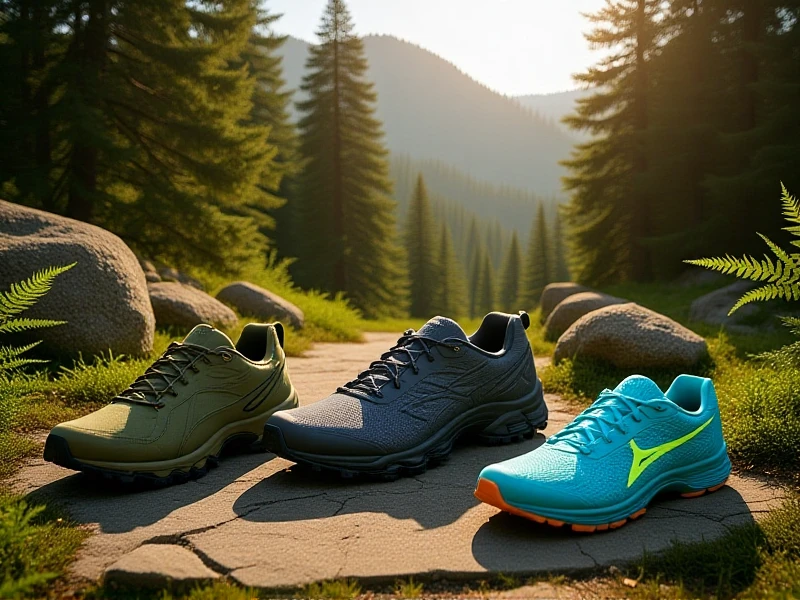
Find Your Perfect Pair of Running Shoes
Here is a SEO-optimized article for "Running Shoes":
The quest for the right pair of running shoes is fundamental for every runner, from the seasoned marathoner to the weekend pavement pounder. Your success, comfort, and injury prevention directly link to the footwear you choose. But with an overwhelming array of options lining shelves and websites, how do you navigate the selection process? Understanding your needs is key.
The cornerstone of great running shoes lies in cushioning and shock absorption. As your foot strikes the ground, impact forces travel up your legs. Quality running shoes have strategically placed cushioning foam (like EVA, Polyurethane, or newer compounds like Pebax and TPU) that compresses to absorb this shock, reducing stress on joints and muscles. The amount needed varies; heavier runners or those favouring long distances often benefit from more cushioning, while lighter racers might prefer a responsive, firmer feel.
Equally crucial is support and stability. This is where understanding your foot's natural motion (pronation) is vital. Neutral runners typically have efficient motion and require neutral running shoes that primarily offer cushioning. Overpronators (feet rolling inward excessively) often need stability shoes with features like medial posts or dual-density midsoles to gently guide the foot. Supinators (feet rolling outward) sometimes require specific neutral shoes with ample cushioning on the outer edge, though fewer dedicated options exist. Technologies like Brooks' GuideRails or Asics' DuoMax provide targeted support.
Don't overlook the importance of a proper fit. Your running shoes should fit snugly but not tightly through the heel and midfoot, with about a thumb's width of space in front of your longest toe. Always try on running shoes later in the day when feet are slightly swollen, wear running socks, and ensure the width accommodates your foot shape comfortably without pinching. Visit a specialty running store for a gait analysis if possible – their expertise is invaluable.
Finally, consider the drop and weight. The heel-to-toe drop (measured in mm) influences how your foot strikes the ground. Lower drops (0-6mm) often encourage a more midfoot or forefoot strike, while higher drops (8-12mm ) are common in cushioned trainers and can aid heel strikers. Shoe weight impacts energy expenditure, especially over longer distances; racing flats or speed training shoes are exceptionally light, while maximum cushion shoes provide comfort at a slightly higher weight.
Ultimately, the perfect pair of running shoes is the one that aligns with your unique biomechanics, training goals, and comfort preferences. Prioritise cushioning that suits your distance and weight, select the appropriate support level based on your stride, and never compromise on a precise fit. Investing time in finding the right pair isn't just about performance; it's about protecting your passion and your body on every run. Brands like Brooks, Asics, Saucony, New Balance, Nike, and Hoka offer a vast spectrum of styles across categories to meet diverse runner needs. Research consistently, try them on, and your feet will thank you.