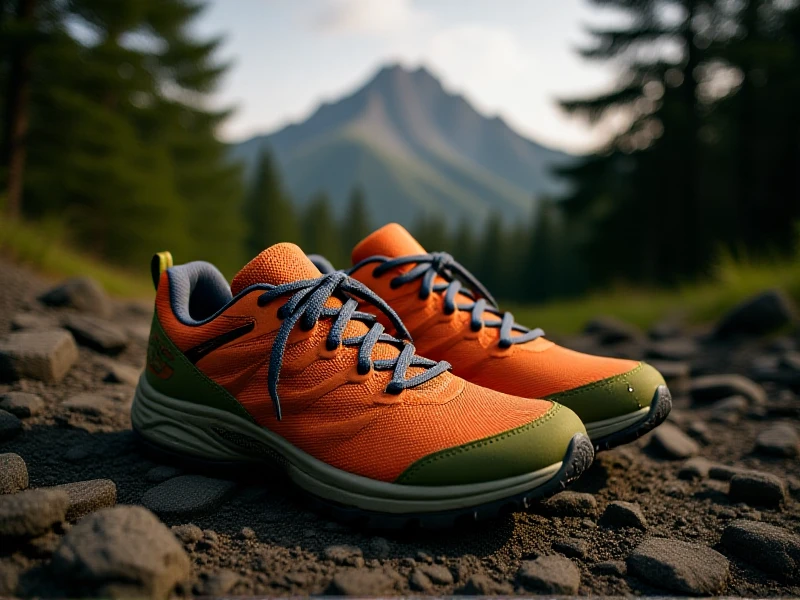
How Trail Shoes Conquer Rugged Terrain: Your Ultimate Outdoor Companion
Here is an SEO-optimized article about trail shoes:
Hitting dirt paths, rocky inclines, or muddy forest trails requires footwear built for the challenge. That's where dedicated trail shoes step in, offering a blend of agility, protection, and grip that regular athletic shoes simply can't match. Whether you're a seasoned trail runner or a weekend hiker seeking a lighter alternative to bulky boots, understanding trail shoes is key to unlocking your outdoor adventures.
The defining characteristic of any trail shoe is its aggressive, multi-directional lug pattern on the outsole. These deep, widely spaced knobs bite into loose soil, gravel, and soft mud, providing exceptional traction where you need it most. This specialized grip prevents slips, giving you confidence on unpredictable ascents and descents. Unlike smooth road-running soles, trail outsoles are crafted from sticky, durable rubber compounds designed to withstand abrasion from rocks and roots.
Protection is paramount on the trail. Expect trail shoes to incorporate features guarding your feet from the terrain. Rock plates – thin, rigid shields embedded in the midsole – deflect sharp stones and uneven surfaces underfoot, preventing bruising. Toe bumpers, often made from reinforced rubber, shield your toes from accidental impacts against rocks and roots. Many models also feature water-resistant or quick-drying uppers and some offer extended mudguards to keep debris out.
Support and stability are enhanced. Uneven ground demands it. Trail shoes often have a slightly wider platform than road shoes for a more stable base. Some incorporate features like lower-to-the-ground cushioning or structured heel counters to reduce the risk of ankle rolls on tricky sections. The midsole balances sufficient cushioning for comfort over miles with the responsiveness needed for quick adjustments on technical terrain.
Durability is non-negotiable. Uppers are typically constructed with tough, abrasion-resistant materials like tightly woven mesh or synthetic leather overlays. These can withstand abrasive brush, snagging branches, and rough trail elements far better than typical running shoe fabrics.
Finding the perfect fit for your trail shoes is critical. Your feet may swell during longer efforts, so ensuring a little extra room in the toe box is wise, while maintaining a secure heel lockdown and midfoot hold to prevent sliding and blistering. Consider the type of trails you frequent: minimalist, highly flexible shoes excel on well-groomed paths, while burlier, more protective models are essential for technical, rock-strewn wilderness routes.
Investing in the right pair of trail shoes transforms your experience. They provide the essential blend of grip, protection, durability, and stability needed to navigate nature's obstacles with speed, confidence, and sheer enjoyment. Step onto your next adventure equipped!